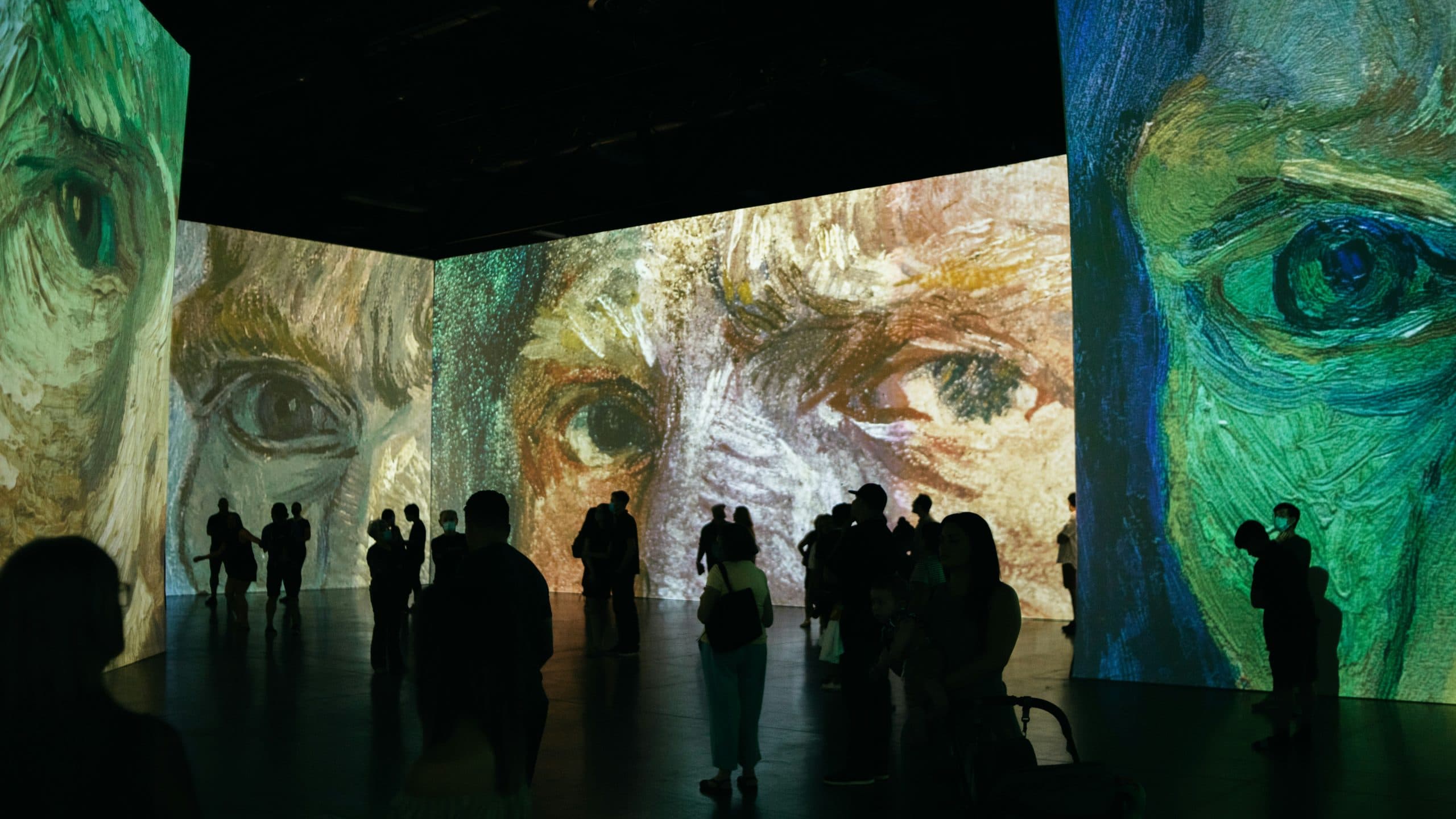
As a student of literature with a longstanding fascination for writers, I have always been seduced by beautiful observations; in awe of how words assembled in a particular way can reveal truths otherwise hidden; how language changes my perspective about a concept or idea where I previously felt certain; how seemingly simple expressions can fire my imagination. And the more I read, the more sure I am that writers, artists, musicians, creatives are vital to the very fabric of life, perhaps no more so than at this particular junction in time where the interconnectedness of global life makes change faster and more consequential than ever before.
There’s almost nothing an agency or brand can say that an artist hasn’t already said better. Art is different. Art, for me at least, pulls me out of the weeds of modern life and creates the time and space for the brain to wander. A month or so back, I decided to take a trip to Paris to see the David Hockney show at the Fondation Louis Vuitton. It is a mega exhibition. I counted, in one space alone, 150-plus pieces. Sketches on paper, preparatory drawings, small works on canvas, paintings of a size and scale so vast that these pieces fill entire walls, digital work, portraits, works for sets and stage.
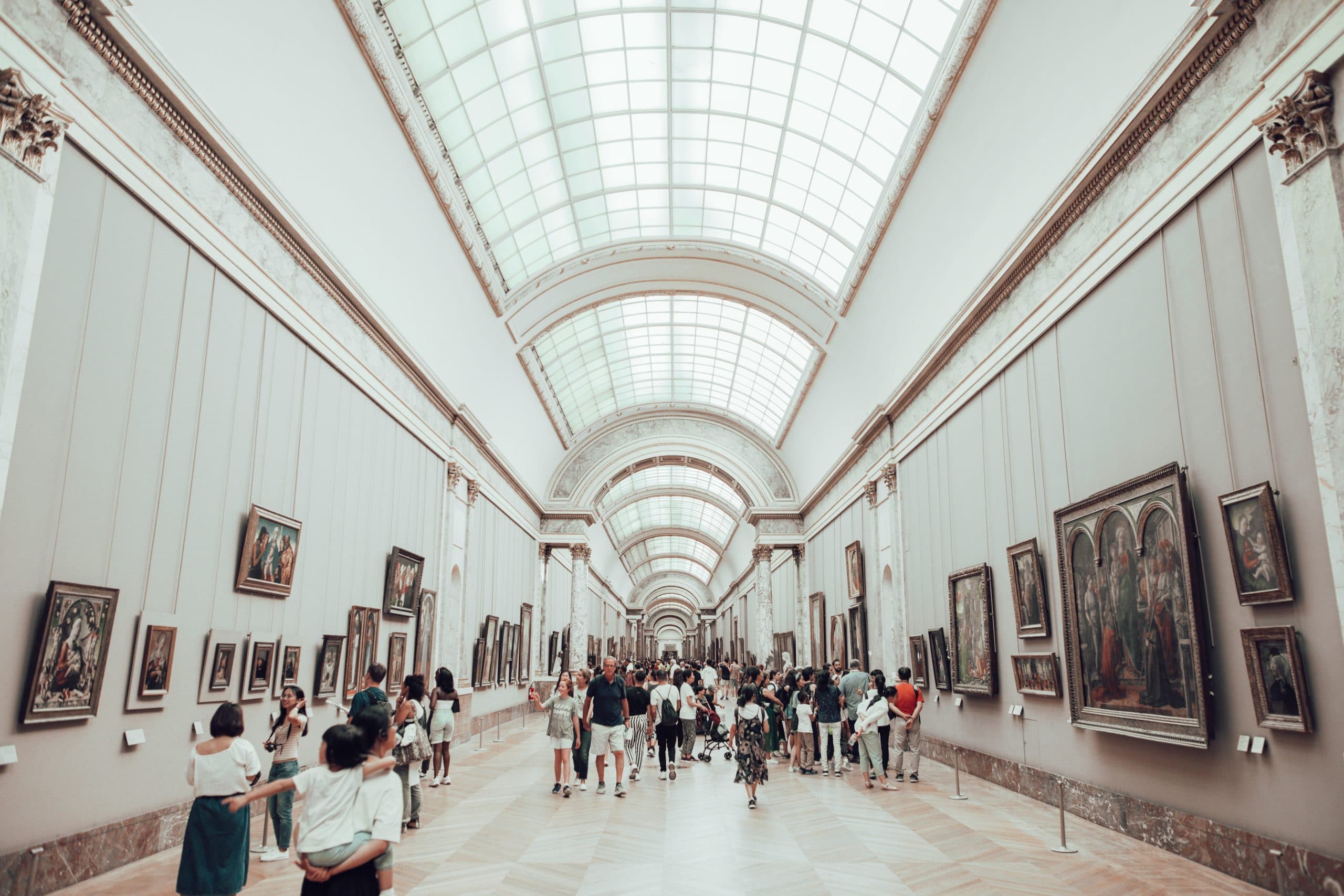
It is a show of great ambition and demonstrates the range, I think, of Hockney’s enormous talent and prolific output. The thing I enjoyed most, though, about the show is how it made me feel. I get this is a bit selfish, but I felt enthralled. Bewitched by the artist’s obvious passion and excitement for creating; his obsession with returning to subjects time and time again; his interest in light, color, seasons, blossom; his fascination for the landscapes of his childhood, as well as his curiosity for new landscapes and new ways of creating art. The art feels fervent and personal. And I believe these emotions transfer because, honestly, I felt something rare. Something visceral. Something that art has the ability to do.
I know what you’re thinking. This is hippy dippy bullshit. But the idea of emotional transference is interesting, and I would suggest a powerful argument for the value of art in society today. Let me give you another thought. In times of crisis or pain or celebration, I would bet that most if not all of us reach for poems, songs, writing, and film that capture the human inside of us. Why? Part ritualistic, I suppose. But the real reason, I’d argue, is that these art forms have the capacity to represent all of what we are. The dark, the light, the passionate, the petty, the ugly, the beautiful. The art is made with deep care; an increasingly important quality in the world in which we live. The words, images, and lyrics are imbued with deep emotion. And the emotional power of the human inside the art, somehow, transfers.
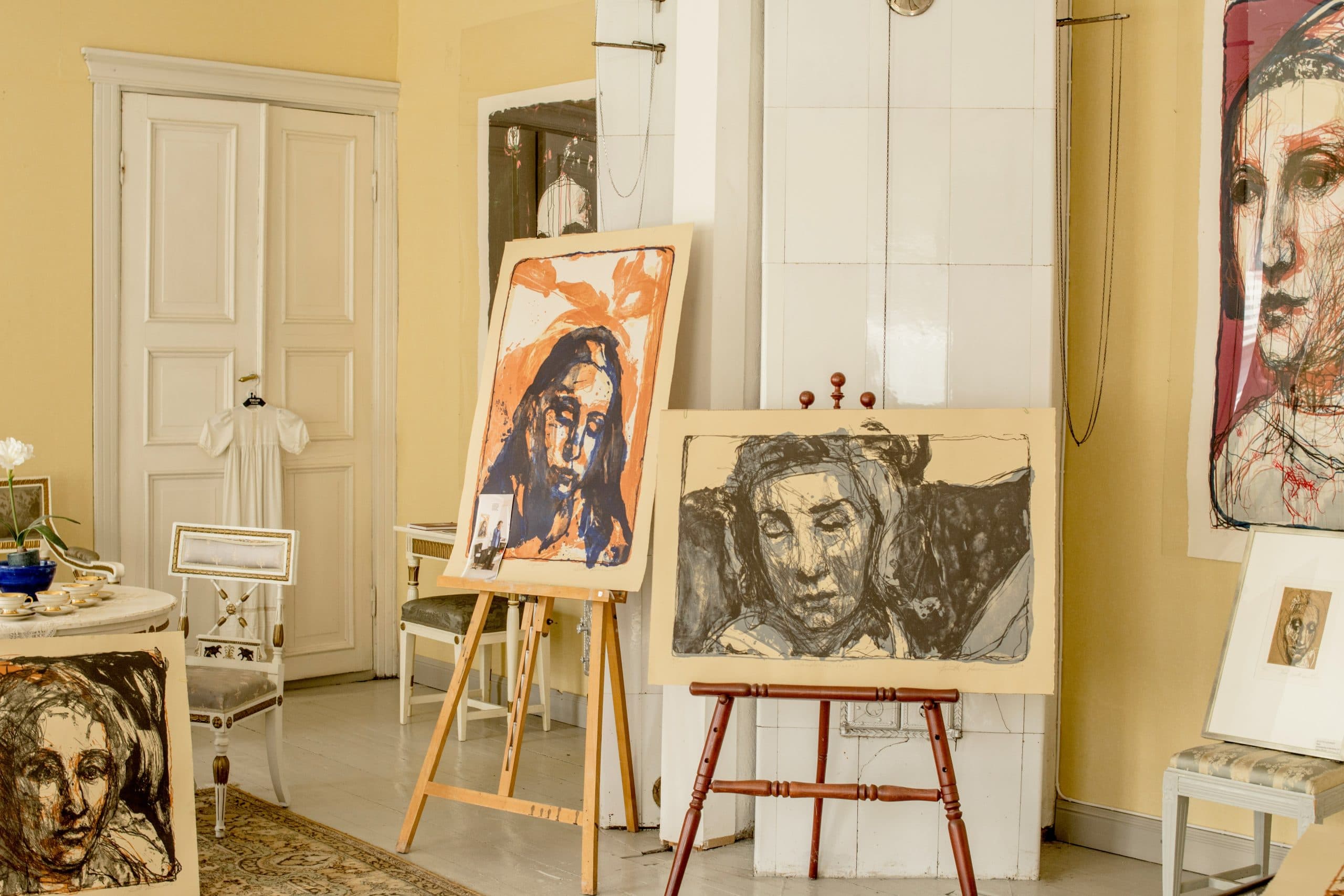
Beyond individual enrichment, there is a lesson here for brands, agencies, and any organizations grappling with how to stand out in an age of noise and fragmentation. Art demonstrates what happens when you resist the literal, when you lean into emotion, and when you create work that is unafraid and unexpected. In a world that increasingly prizes differentiation, taking a leaf from art’s book isn’t just a romanticised idea; it’s a proven way to connect more deeply with people. Whether through campaigns that move us, experiences that disrupt the ordinary, or stories that feel genuinely human, embracing the spirit of art is a powerful route to resonance.
My conclusion? Art is about freedom; freedom from conformity, from silence, from invisibility. It’s where thought can leap without explanation. It’s messy, vulnerable, and expressive. And it bears witness to our times. We need to ensure that artists and the arts have the freedom to create and to flourish, in every industry and every corner of the world. Because art made this way has the power to speak to all of us and, frankly, make the world a better place.